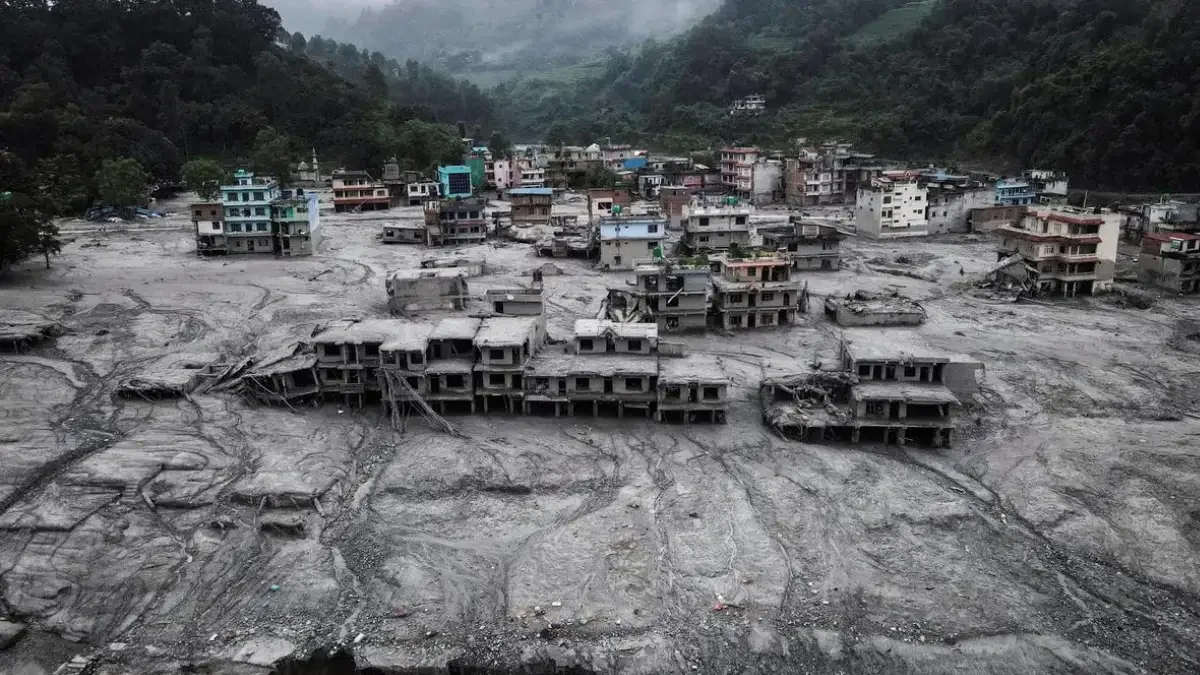
The UN’s Fund for Responding to Loss and Damage unanimously agreed to earmark $20 million to assist Nepal in recovering from catastrophic climate-induced flash floods. The formal action marks the very first time the operational body has allocated direct financial aid to a specific country since its landmark creation at COP27 in 2022. Despite board members hailing the decision as a momentous breakthrough in international climate justice, local officials and environmental advocates point out that the sum falls dramatically short of the actual ground reality.
What Prompted the UN Loss and Damage Fund Action?
The financial commitment comes in direct response to severe late-August torrential rains and flash flooding across Nepal. Massive cloudbursts and sudden river overflows obliterated rural settlements, destroyed key hydroelectric installations, wiped out bridges, and disrupted agriculture across multiple districts.
In the immediate wake of the climate calamity, local agencies faced insurmountable relief and reconstruction expenses. Recognizing the sudden, destructive nature of the disaster, the UN board convened an extraordinary meeting where members voted to set aside dedicated capital to assist the Himalayan nation with long-term recovery and immediate infrastructure restoration.
Why Is This Financial Allocation Historic Yet Deficient?
The move is groundbreaking because it shifts the UN Loss and Damage Fund from abstract political negotiations to practical action on the ground. Established to provide direct compensation to developing nations bearing the brunt of climate change, the fund had spent years building its institutional architecture. Reaching consensus to back Nepal establishes a precedent for how future sudden-onset climate emergencies will be processed.
However, the size of the payout highlights a stark disparity. Preliminary government assessments place Nepal’s economic and structural losses at approximately $5 billion. The $20 million allocation covers less than 1% of the required rehabilitation costs. While the capital will support critical emergency rebuilding projects once formal proposals are approved, it leaves the central government in Kathmandu searching for billions in additional aid to secure long-term relief.
How Large Is the Global Climate Finance Gap?
Nepal’s experience exposes a systemic financial shortfall within international climate institutions. Globally, low-income nations hit by rising global temperatures and unpredictable weather events are requesting urgent assistance at unprecedented rates. To date, vulnerable countries have submitted formal requests totaling over $2.8 billion to address severe loss and damage.
By contrast, wealthier industrialized nations—who historically contributed most to global greenhouse gas emissions—have pledged roughly $820 million to the fund. Out of those commitments, even less money has actually been deposited into bank accounts ready for distribution. This vast gap leaves international climate leaders struggling to allocate extremely limited resources among a growing queue of crisis-stricken nations.
Who Bears the Responsibility to Bridge the Pledge Gap?
The widening shortfall has reignited intense debate surrounding climate responsibility and financial accountability. Developing nations argue that developed economies have a moral and environmental obligation to convert verbal promises into immediate cash liquidity. Developing country representatives emphasize that paper pledges cannot clear debris, reconstruct roads, or rehouse displaced families.
On the other side, some developed donor nations remain cautious about setting unbounded financial precedents, urging for strict proposal guidelines and standardized operational models. With climate disasters growing in frequency and scale, civil society groups continue to demand that wealthy nations drastically scale up their contributions to ensure the Loss and Damage Fund can meet its core mission of delivering timely climate justice.