The United States Federal Reserve has officially raised its benchmark interest rate by a quarter-percentage point to a target range of 3.75% to 4%. This move marks the first rate increase by the central bank since July 2023, signaling an aggressive pivot in monetary policy aimed at reining in stubborn price pressures that have strained household budgets.
The decision, finalized by a unanimous 12-0 vote among policymakers on the Federal Open Market Committee (FOMC), came despite public pressure from President Donald Trump, who had advocated for borrowing costs to be lowered.
Why Did the Federal Reserve Raise Rates?
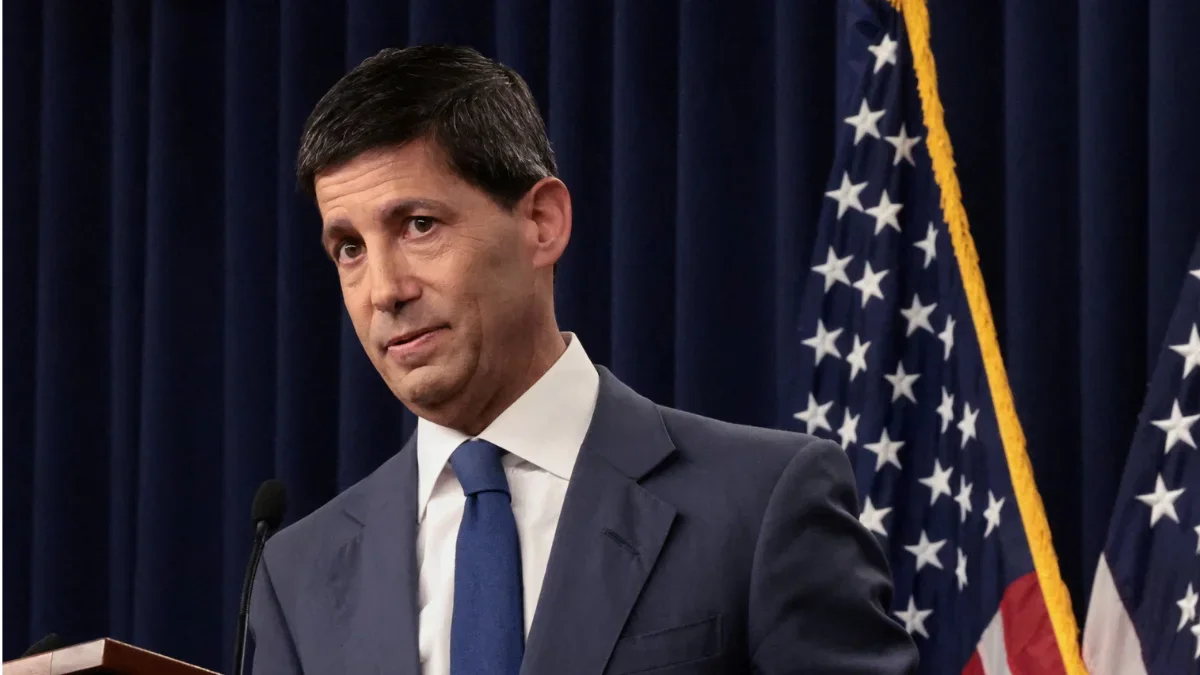
Defending the central bank's unanimous choice during a post-meeting press conference, Fed Chair Kevin Warsh stated that inflation remains unacceptably high.
"The plain fact is that inflation is too high and has been for too long," Warsh remarked, emphasizing that price stability is foundational for a durable economic expansion.
While central banks globally target an inflation rate of 2%, US consumer price growth has hovered above this threshold for more than five years. Persistent energy price volatility—intensified by geopolitical conflicts in the Middle East—alongside rising global borrowing costs, has kept overall inflation elevated, forcing the central bank to step in.
What Does This Mean for Borrowers and Savers?
For ordinary consumers and businesses, a higher federal funds rate translates directly into tighter financial conditions:
More Expensive Loans: Borrowing money for mortgages, auto loans, personal loans, and credit card balances will become costlier, as commercial banks pass on the higher cost of capital.
Better Returns for Savers: Individuals who have cash parked in high-yield savings accounts, money market funds, or certificates of deposit (CDs) can generally expect improved interest yields on their deposits.
Political Friction and Economic Outlook
The rate hike highlights a delicate political dynamics between the White House and the independent central bank. President Trump criticized the decision on social media, reiterating his stance that lower borrowing costs are essential for economic growth. However, because the policy committee voted unanimously—including Trump-appointed governors—the move underscores a unified consensus among monetary policymakers regarding underlying inflationary risks.
Looking ahead, economic projections released by the Fed suggest that policymakers are prepared to implement at least one more quarter-point increase before the end of the year if inflation indicators do not cool adequately. Financial markets are closely tracking these updates, as higher borrowing costs ripple across global trade, bond yields, and currency valuations.
also read : Britain’s Royal Family Faces Fresh Turmoil Over Harry and Meghan's UK Return