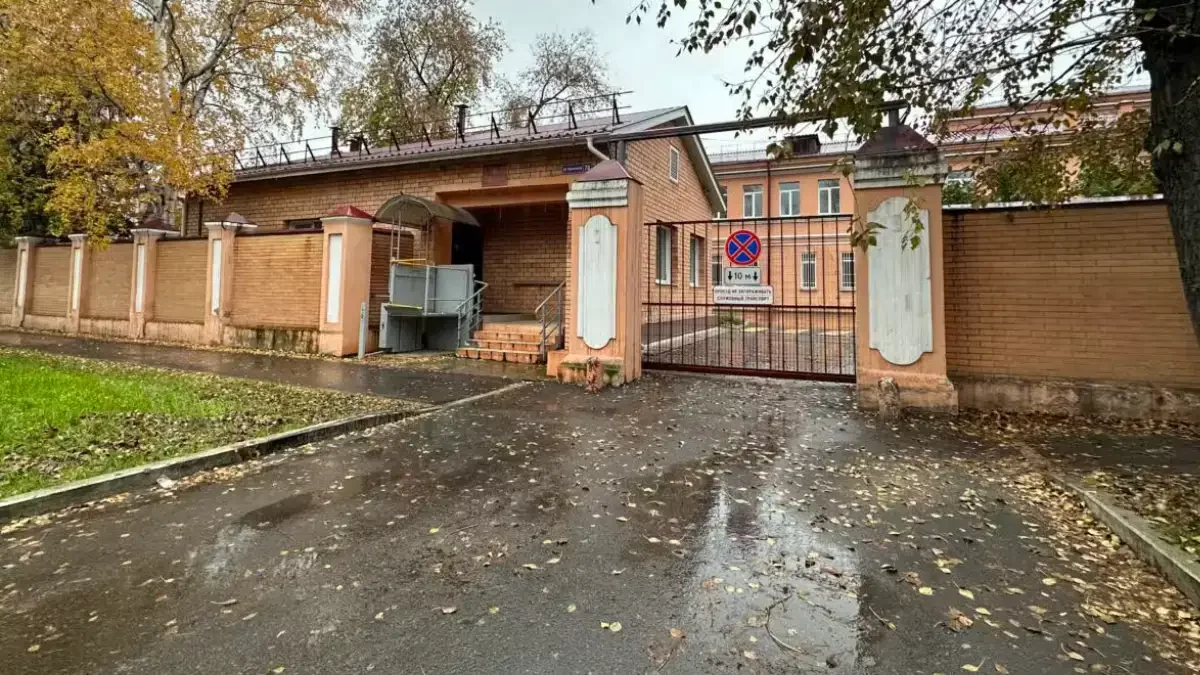
The United States is escalating pressure on the Russian government through diplomatic channels to release critical health data concerning a suspected plague incident in Irkutsk. Amid tight official secrecy and public minimization from the Kremlin, Washington struggles to construct accurate predictive models for potential international disease transmission.
What Is Happening on the Ground in Russia?
Reports emerged regarding a mysterious death at a specialized anti-plague research facility located in Siberia's Irkutsk region. While regional officials and Russian authorities have sought to downplay the severity of the incident and dismissed public reports as speculation, international health bodies and foreign governments remain deeply skeptical. The lack of official verification has created a dangerous information vacuum, leaving external epidemiologists guessing at the true nature and containment status of the event.
Why Is the Trump Administration Reacting So Strongly?
The White House and the State Department are acutely aware that managing cross-border biological risks requires immediate and verified data. Without transparent reporting from Moscow, American public health agencies cannot effectively formulate defense plans or screen potential vectors. Consequently, Washington escalated its approach by issuing a formal diplomatic demarche warning Russia that hiding details violates international health obligations, while President Donald Trump prepared direct dialogue with President Vladimir Putin to demand clarity.
How Are International Organizations Responding?
The World Health Organization (WHO) has joined Western nations in publicly urging Moscow to drop its defensive stance. WHO leadership stressed that timely and comprehensive data sharing under international health regulations remains essential for preventing global miscalculations. Neighboring countries and global health networks fear that if containment measures inside the Siberian facility are failing, a localized accident could swiftly cascade into a wider regional or international public health crisis.
Where Do US-Russia Diplomatic Channels Go From Here?
With diplomatic pressure mounting and direct presidential talks looming, the ball is now in Moscow's court to decide whether to cooperate or face heavier international isolation. Analysts note that past precedents of information withholding by Russian state structures make a sudden turnaround unlikely, yet the immense pressure from global health mandates leaves very little room for diplomatic obscurity. The coming days will determine whether transparency prevails or if international anxiety over potential fallout deepens.