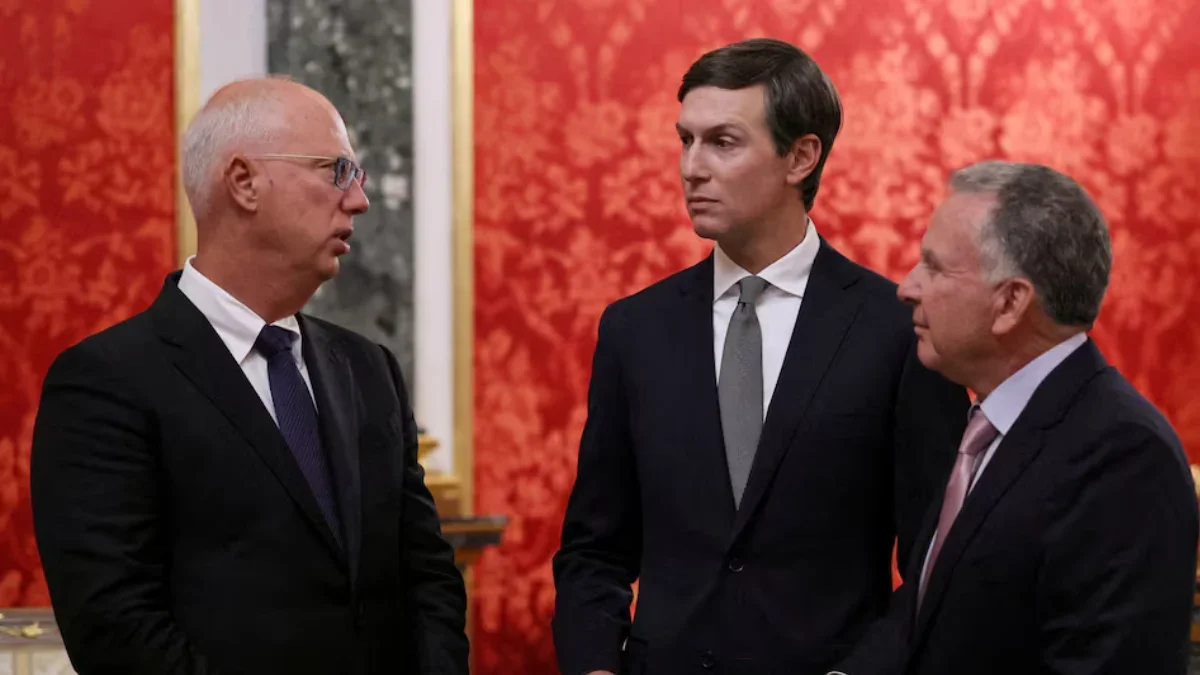
Senior American and Russian representatives have begun examining potential pathways to revive energy ties, centering discussions around bringing US investors into the inactive Nord Stream pipeline network. These diplomatic explorations reflect an evolving approach that attempts to pair post-conflict economic incentives with broader strategic negotiations. While formal policies remain restrictive, the dialogue highlights shifting geopolitical priorities concerning future energy architectures across the continent.
Who is Involved in the Diplomatic Talks?
The confidential discussions feature key high-level figures from both governments. United States Special Envoy Jared Kushner and Kirill Dmitriev, a close adviser to Russian leadership, have served as central participants in mapping out these prospective economic frameworks. Their dialogue also encompasses potential restructuring models involving other international commercial players and asset transfers.
What Are the Core Proposals on the Table?
The principal concept under consideration involves integrating a US investor group into the ownership or operational framework of the Nord Stream pipelines, which previously transported major volumes of gas to Germany. Additionally, discussions have touched upon broader energy logistics, including potential asset sales involving major energy entities like Lukoil to consortiums backed by international partners. These ideas are tied to potential sanctions adjustments and structured financial returns for participating nations.
Why Are These Energy Discussions Taking Place Now?
Proponents of these back-channel discussions argue that commercial incentives and energy interdependence could serve as foundational elements for securing a lasting diplomatic truce. By linking post-war stability with lucrative energy flows, the framework attempts to address economic motivations alongside geopolitical security. However, the feasibility remains constrained by existing regulatory frameworks and complex international alignments.
Where Do Regulatory and Regional Obstacles Stand?
Substantial hurdles remain before any practical implementation can occur. The pipeline infrastructure is currently governed by strict US and European sanctions, and parts of the physical system suffered severe damage during prior explosions. Furthermore, several European nations—particularly Poland, the Baltic states, and political leaders in Germany—remain heavily opposed to restoring dependency on Russian energy supplies.