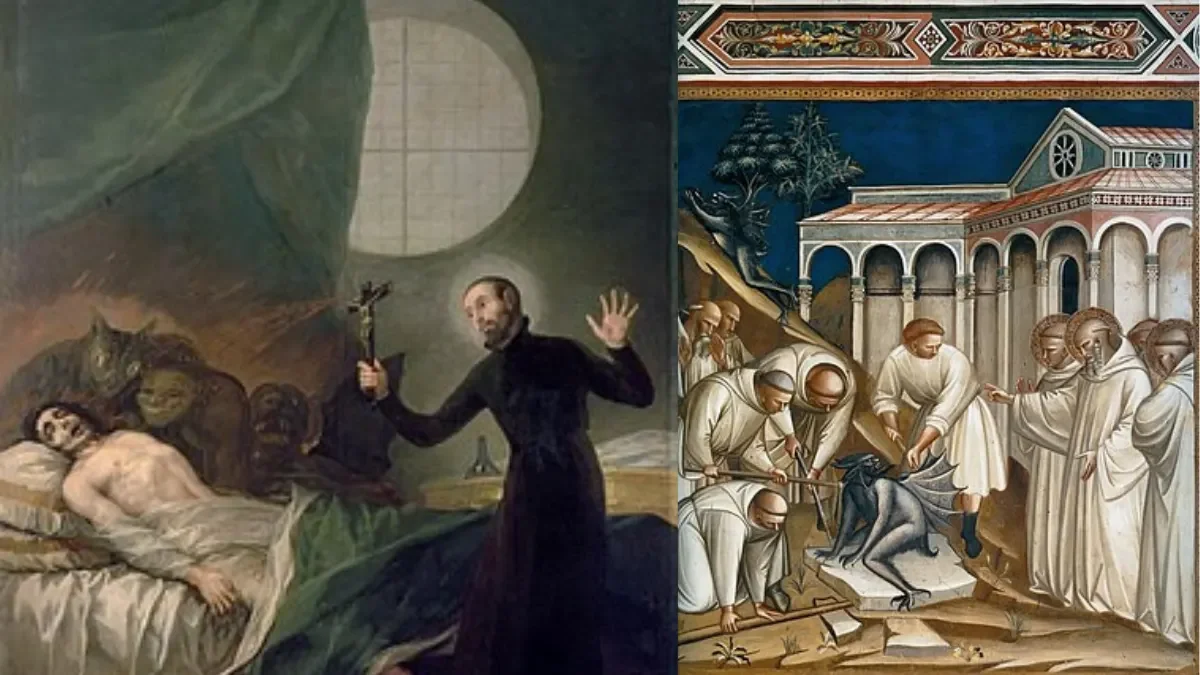
Vatican City stands as the supreme governing authority for approving the Rite of Exorcism to preserve doctrinal integrity, safeguard human life, and ensure that spiritual interventions are applied only when genuine psychological or medical causes have been definitively ruled out. Under Roman Catholic Canon Law (Canon 1172), no priest can perform a solemn exorcism without the express, written permission of the local bishop, who operates under the strict guidelines established by the Holy See.
What Authority Does Vatican City Hold Over Exorcism Procedures?
The Vatican holds ultimate legal and spiritual oversight over all deliverance ministries within the Catholic Church. Through the Dicastery for the Doctrine of the Faith (formerly the Congregation for the Doctrine of the Faith), the Holy See publishes official liturgical texts, such as De Exorcismis et Supplicationibus Quibusdam (Of Exorcisms and Certain Supplications), which was updated in 1999 to modernize procedural norms.
This centralization ensures that the practice of exorcism remains uniform worldwide. Rather than allowing individual priests or independent ministries to perform rituals on a whim, Vatican City mandates that the power to exorcise is strictly regulated, preventing unverified or harmful practices that could arise without centralized institutional accountability.
Why Are Mandatory Science and Medical Screenings Required First?
A central reason the Vatican holds the reins on exorcism approval is its commitment to integrating modern medicine and psychiatry into spiritual evaluations. Vatican protocol mandates that a person claiming or suspected to be suffering from demonic possession must undergo extensive medical, psychological, and psychiatric examinations before any spiritual ritual is sanctioned.
Qualified mental health professionals, medical doctors, and neuroscientists evaluate the individual to rule out conditions such as schizophrenia, epilepsy, dissociative identity disorder, or physical illnesses. Only when exhaustive medical science yields no natural explanation for the phenomenon does the case proceed for potential spiritual evaluation by an authorized exorcist.
Who Is Qualified and Permitted to Perform a Solemn Exorcism?
Under Church authority, not just any member of the clergy or general public can perform a solemn exorcism. The Vatican strictly restricts this role to validly ordained Catholic priests who possess specific personal traits: wisdom, integrity, piety, and specialized training.
Furthermore, the Vatican supports institutions like the Pontifical Alpha Institute in Rome, which hosts annual international courses to educate priests, doctors, and psychologists on the theological, legal, and clinical aspects of exorcism. This rigorous education ensures that those entrusted with the rite act with spiritual maturity, analytical precision, and strict pastoral care.
How Does Centralized Approval Prevent Harm and Spiritual Abuse?
Historically and in modern times, unauthorized exorcisms conducted outside regulated ecclesiastical oversight have led to tragic outcomes, physical trauma, and negligent harm. The Vatican’s mandatory authorization framework acts as a vital protective shield for vulnerable individuals.
By enforcing rigid checks, clear documentation, and bishop-level authorization, the Holy See minimizes the risk of mistaking severe mental or physical suffering for demonic influence. It establishes a clear chain of custody and accountability, ensuring that human dignity and medical well-being remain prioritized at every stage of spiritual assessment.