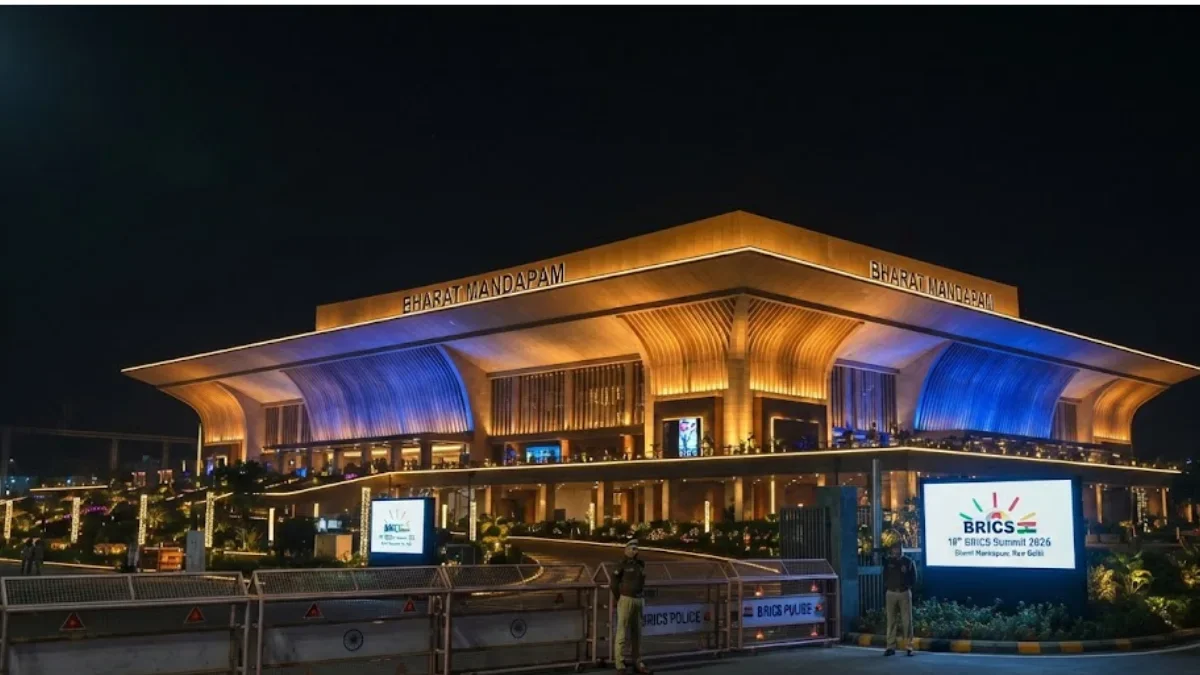
The national capital is fully geared up to host the high-profile 18th BRICS Summit 2026, scheduled for September 12–13 at the iconic Bharat Mandapam in New Delhi. As the current chair of the bloc, India is steering the multi-nation dialogue under the official theme, "Building for Resilience, Innovation, Cooperation and Sustainability." With major global heads of state and international delegates arriving in the city, the event marks a milestone moment as BRICS marks two decades since its founding.
What is the BRICS Summit and Why Does It Matter?
BRICS is a major coalition of emerging economies and developing nations. Originally comprising Brazil, Russia, India, China, and South Africa, the bloc has expanded significantly over recent years to include new full members like Egypt, Ethiopia, Iran, the United Arab Emirates, and Indonesia.
This year's summit holds immense geo-economic importance. Discussions are expected to center around reforming global financial governance, strengthening multilateralism, enhancing trade resilience, and expanding digital and technological cooperation among member states. For India, holding the chairship allows New Delhi to champion a people-centric, "Humanity First" approach to global development.
Key Leaders and Schedule
The two-day summit brings together an influential gathering of global leaders. Russian President Vladimir Putin is attending the summit, alongside other key dignitaries. Chinese President Xi Jinping is also expected to join the deliberations, marking a significant diplomatic engagement. Furthermore, leaders from partner countries and outreach invitees have been invited to participate in open sessions aimed at inclusive global growth.
The itinerary features closed-door strategic sessions, trade forums, the "Bharat Innovates" exhibition showcasing technological advancements, and cultural engagements hosted by Prime Minister Narendra Modi.
Impact on Traffic and Daily Life in Delhi
To ensure smooth transit for foreign dignitaries and maintain strict security protocols, the Delhi Police has implemented a comprehensive traffic management plan. Traffic restrictions and temporary diversions are in place across central and southern parts of the city. While security arrangements are robust to minimize public inconvenience, commuters have been advised to check route advisories before planning travel through central New Delhi zones.
What Lies Ahead?
As the summit concludes on September 13, the focus will shift toward the implementation of the New Delhi Declaration. Observers will be closely watching how the expanded bloc navigates complex geopolitical dynamics—including energy security and regional stability—while fostering long-term economic partnership among its member nations.