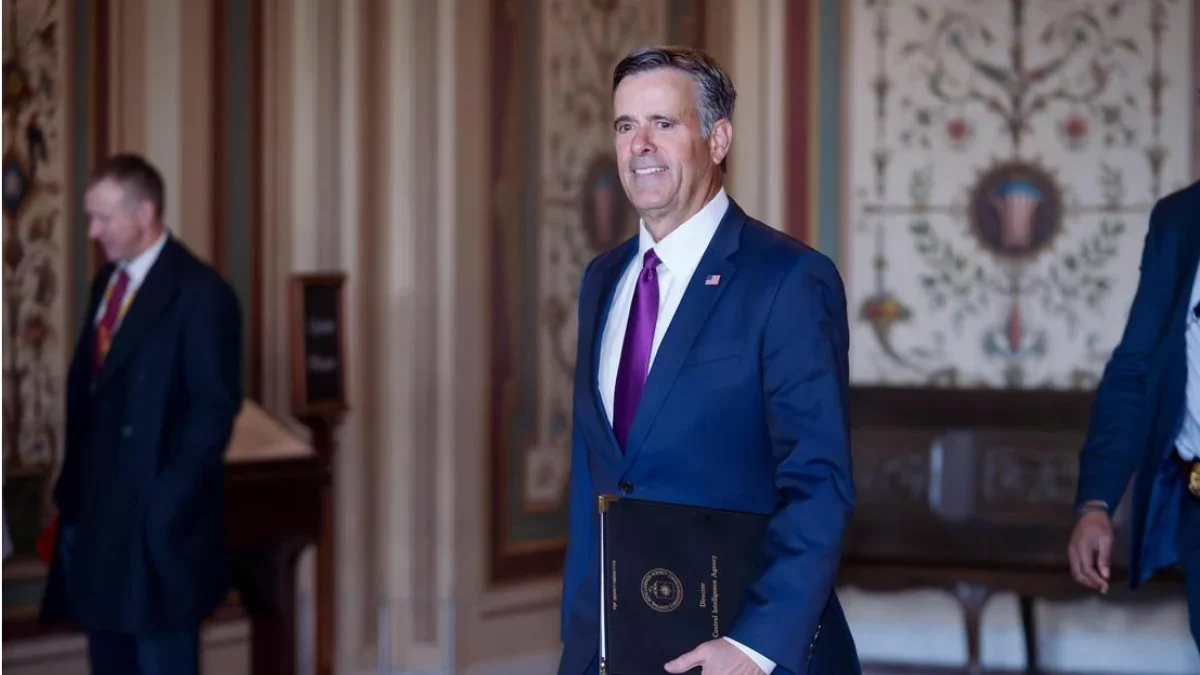
The newly public archives contain pivotal intelligence records compiled for top U.S. leadership across successive presidential administrations. Ranging from a February 1998 briefing prepared for President Bill Clinton regarding weapons of mass destruction to reports filed right after the attacks, the documents show how deeply intelligence analysts monitored extremist networks. They outline threat tracking, financial backing, and the persistent dangers posed by underground networks operating across multiple international borders.
Why Were These Briefs Released Now?
Marking the 25th anniversary of the 9/11 attacks, CIA Director John Ratcliffe authorized this massive declassification initiative as a measure of exceptional governmental transparency. By bringing these historical documents into the public domain, the agency aims to provide researchers, historians, and citizens with a clearer picture of the intelligence community's operational assessments during a critical era in modern history.
How Did Security Analysts Track the Threat Prior to 2001?
Throughout the late 1990s and early 2000s, intelligence briefings consistently highlighted intelligence regarding potential domestic and international plots. The files document how analysts followed warning signs, such as potential aviation threats, structural vulnerabilities, and extremist ambitions to acquire chemical, biological, or radiological capabilities. Despite these detailed tracking efforts and continuous warnings passed up the chain of command, the sheer complexity and adaptability of the threat network presented immense challenges to national defense frameworks.
also read : Trump Rejects Saudi Call for U.S. Strikes on Houthis Amid Red Sea Crisis