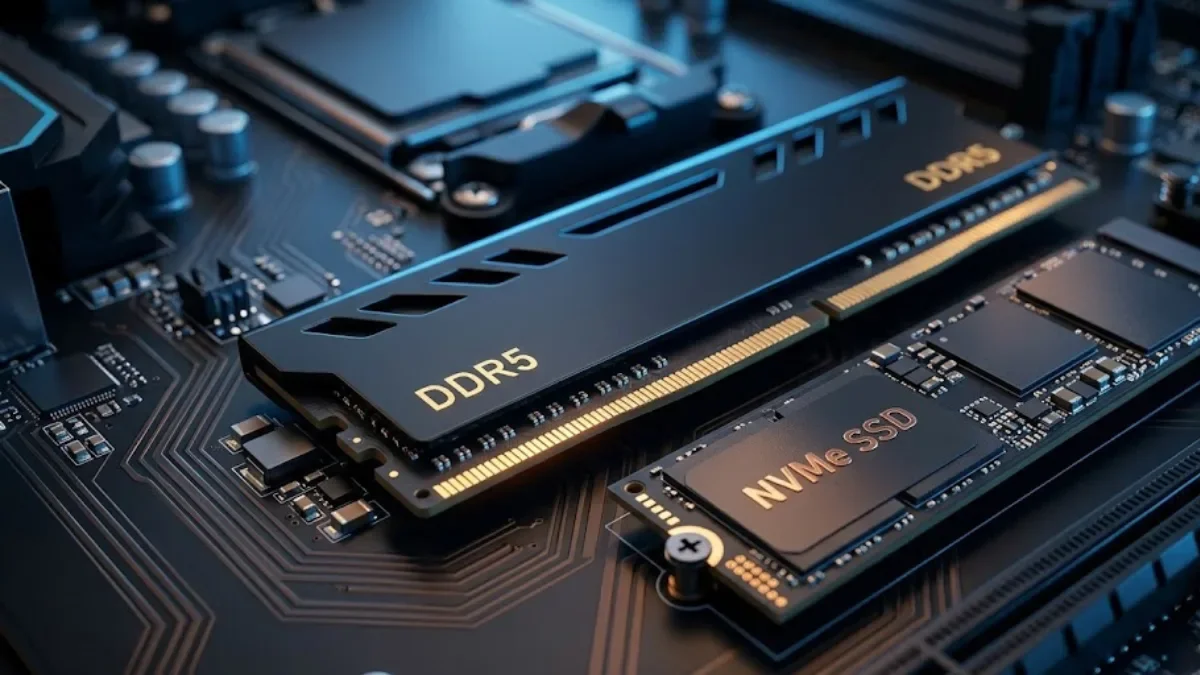
Consumers and electronics manufacturers worldwide are facing a steep rise in computer hardware costs as a severe memory-chip crunch takes hold. Prices for Dynamic Random-Access Memory (DRAM) and NAND flash storage—the core components used in RAM kits and Solid-State Drives (SSDs)—have surged significantly over recent months. What started as a minor supply-chain tightening has grown into a structural industry shortage that analysts warn could persist through 2027.
What Is Causing the Shortage?
The primary driver behind this memory squeeze is the massive expansion of artificial intelligence (AI) infrastructure. Tech giants and enterprise data centers are consuming vast quantities of High-Bandwidth Memory (HBM) and enterprise-grade SSDs to train and run complex AI models.
To meet this booming demand, major semiconductor manufacturers—including Samsung, SK Hynix, and Micron—have redirected a significant portion of their production capacity away from standard consumer-grade memory toward high-margin AI chips. Because setting up new semiconductor fabrication facilities requires billions of dollars and years of development, chipmakers cannot immediately expand overall supply, leaving consumer markets with a strict shortage.
Impact on Consumers and the Industry
According to market research firms like Gartner and TrendForce, contract prices for DRAM and NAND storage have seen double-digit and, in some categories, triple-digit percentage increases. This surge is trickling directly down to everyday buyers:
PC Building & Upgrades: Retail prices for 32GB DDR5 RAM kits and high-capacity NVMe SSDs have jumped dramatically compared to last year.
Laptops & Smartphones: Device makers are absorbing higher Bill-of-Materials (BOM) costs, forcing price hikes on new laptops and smartphones or lowering base memory configurations on entry-level models.
Gaming Consoles: Gaming hardware manufacturers are adjusting retail pricing structure instead of offering traditional mid-cycle price cuts.
What Happens Next?
Industry experts predict that consumer memory prices will remain elevated for the foreseeable future. Relief is unlikely until new semiconductor fabrication lines come fully online or AI hardware demand stabilizes. Until then, buyers planning system upgrades or electronics purchases may need to budget for noticeably higher price tags.