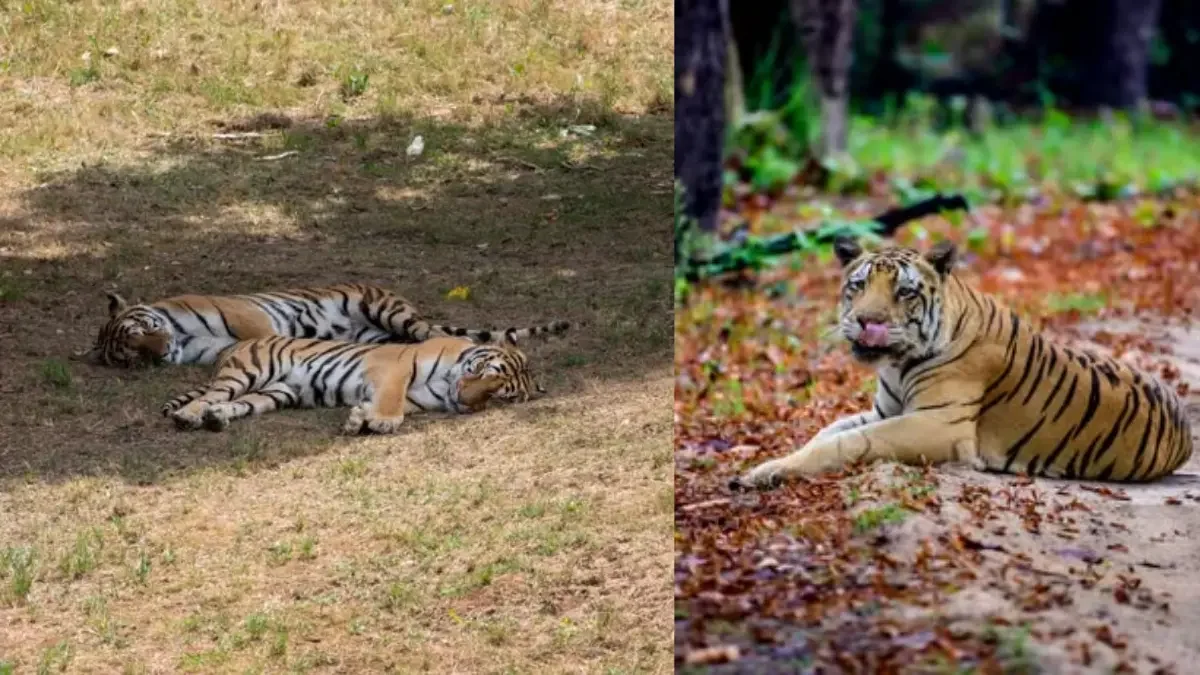
India continues to anchor its position as the global leader in big cat preservation, managing a growing population of wild tigers within an expanding network of protected sanctuaries. Official updates from wildlife authorities highlight that the nation now sustains 3,682 wild tigers distributed across 58 designated tiger reserves. This milestone places nearly 75 percent of the global tiger population within Indian borders, reflecting decades of sustained administrative focus under initiatives like Project Tiger. However, this growth brings complex structural challenges regarding landscape connectivity and human-wildlife proximity.
Background and Current Status of Reserves
Launched decades ago to arrest declining numbers, India's conservation framework has evolved into a scientific model combining habitat safeguarding, anti-poaching surveillance, and technological monitoring. The National Tiger Conservation Authority (NTCA) oversees these reserves, integrating local community participation with scientific oversight.
Despite strong core populations, recent evaluations by environmental bodies such as the Centre for Science and Environment point to systemic pressures. While core sanctuaries maintain healthy animal counts, peripheral zones face increasing fragmentation due to linear infrastructure projects like highways, railways, and irrigation channels.
Why Habitat Corridors Matter
The long-term survival of wild populations depends heavily on safe movement pathways between protected forests. Male tigers frequently disperse across wide distances through human-dominated landscapes to claim new territories, whereas female tigers require undisturbed, continuous corridors to raise cubs safely. When roads and industrial projects block these natural pathways, reserves risk becoming isolated biological islands. Addressing this requires stricter enforcement of wildlife mitigation guidelines during infrastructure development, ensuring uninterrupted passage for dispersing wildlife.
Impact on Local Communities and Ecosystems
Balancing conservation with human livelihoods remains a critical priority. Increased overlap between agricultural lands and forest edges often leads to interactions involving cattle and wildlife, posing challenges for rural communities. Strengthening landscape-scale governance—where local populations are integrated as primary stakeholders rather than treated as barriers—is vital for sustainable coexistence. Furthermore, maintaining intact forest ecosystems preserves vital watersheds and combats broader climate pressures.
What Lies Ahead for Wildlife Policy
As India advances toward long-term environmental targets, policy discussions increasingly emphasize landscape-level planning over isolated sanctuary management. Moving forward, authorities face the dual task of securing existing breeding populations while restoring degraded transit corridors. Integrating strict ecological safeguards into regional development plans will determine whether India's conservation momentum can safely sustain future generations of wildlife alongside growing economic needs.