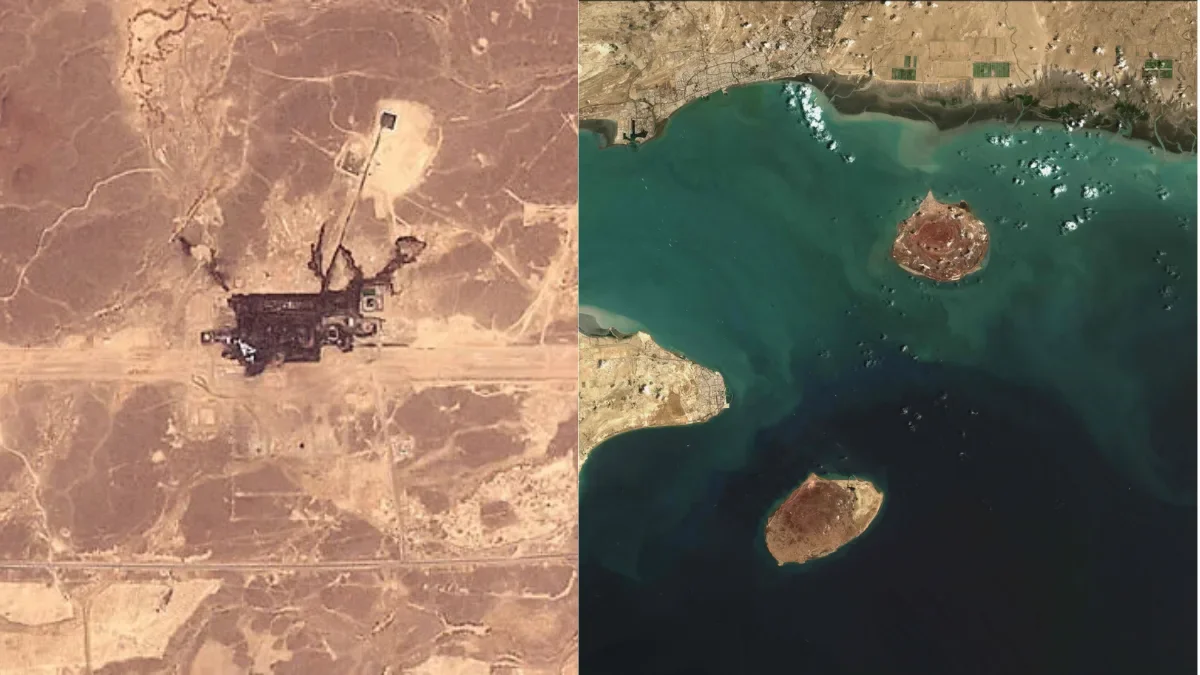
The geopolitical landscape of the Middle East has shifted dramatically as the conflict involving Iran widens across vital international trade corridors. Yemen's Houthi rebels have achieved rapid territorial gains, securing key coastal positions including the strategic port city of Mocha and Perim Island at the southern gateway of the Red Sea. This sudden offensive threatens the Bab el-Mandeb Strait, a vital maritime chokepoint through which a significant share of global commerce and energy supplies pass.
Why is Energy Infrastructure Being Targeted?
Energy markets have reacted sharply to these developments because alternative export routes are rapidly closing. With tanker traffic heavily restricted in the Strait of Hormuz, Saudi Arabia has relied heavily on its 1,200-kilometer East-West pipeline to transport crude oil from its eastern fields to Red Sea terminals. However, recent drone strikes—traced back by officials to militia networks operating out of Iraq—have forced Riyadh to shut down the pipeline as a precautionary measure. This disruption has pushed global crude prices past the $100-a-barrel threshold, compounding economic pressures worldwide.
What Are the Regional and Global Implications?
The international community is facing heightened risks of a prolonged, multi-front regional war. While Saudi Arabia has temporarily withheld military retaliation to allow Iraqi authorities time to investigate and secure their borders, the kingdom maintains its sovereign right to protect its critical infrastructure. Meanwhile, diplomatic efforts are scrambling to avert a broader catastrophe, as nations fear that the combination of closed pipelines, blocked maritime straits, and empowered proxy groups could permanently alter global energy security and shipping lanes.
also read : Saudi Oil Pipeline Shut Down After Drone Attacks Trigger Fires