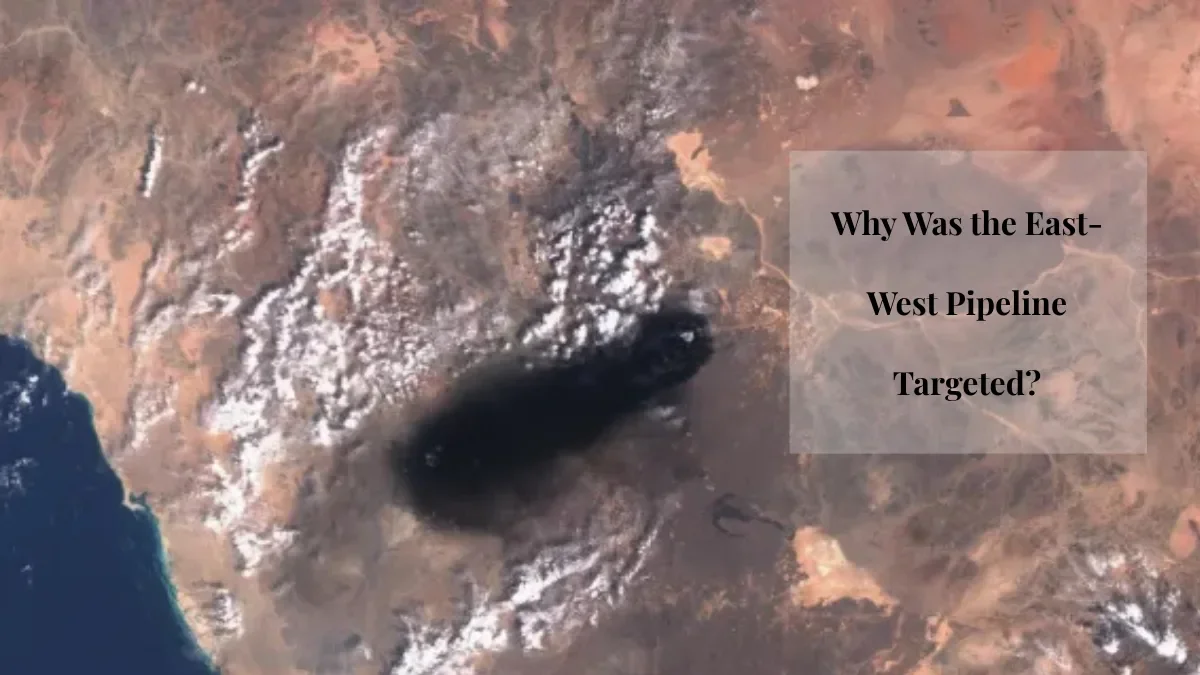
The recent drone strikes targeting the critical 1,200-kilometer East-West pipeline mark a significant escalation in regional tensions. The pipeline serves as Saudi Arabia's primary overland conduit, carrying crude oil from eastern production fields across the kingdom to the Red Sea port of Yanbu. With maritime transit heavily restricted in surrounding waters, attacking this central infrastructure represents a strategic effort by hostile actors to disrupt the kingdom's export capabilities and exert maximum economic pressure on international energy markets.
How Did Saudi Arabia and Iraq Respond?
Following the strikes, the Saudi Ministry of Energy swiftly suspended pipeline operations to secure the network and evaluate safety risks. Although initial assessments pointed toward drones launched from Iraqi territory, the Saudi Foreign Ministry announced it would withhold immediate military retaliation. This decision came in response to a formal request from the Iraqi Prime Minister, who initiated an immediate government investigation and dismissed a local military commander to address security breaches originating within Iraq's borders.
What Are the Global Economic Impacts?
The indefinite closure of such a monumental energy bypass has rattled global financial and commodity markets. As energy transit through alternative regional chokepoints remains heavily constrained, the sudden loss of millions of barrels of daily pipeline capacity pushed global benchmark Brent crude well past $100 per barrel. Industry analysts warn that if repairs take extended periods, industries worldwide could face prolonged supply shortages, surging fuel costs, and heightened economic volatility.
also read : CIA Declassifies Historic 9/11 Briefs