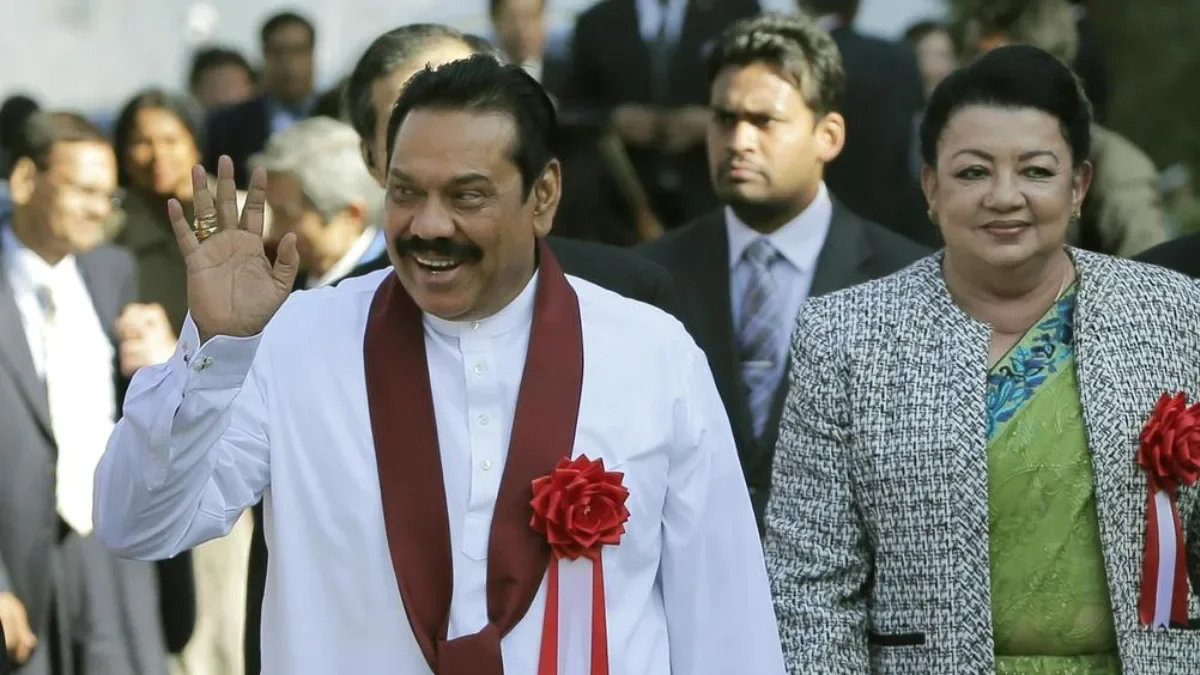
Sri Lanka’s law enforcement has taken a significant step in its ongoing accountability push by summoning former first lady Shiranthi Rajapaksa for questioning. The Financial Crimes Investigation Division (FCID) called her in regarding allegations tied to the Siriliya Saviya charity. Investigators are examining donations collected by the organization for a PET scanner intended for a local cancer hospital. According to court disclosures, the Chinese government had already donated a scanner, but the charity allegedly continued to solicit and misuse public funds. Representatives for the family have denied any wrongdoing, stating that the funds were not misappropriated and that she would cooperate once medical procedures abroad concluded.
The Broader Political Context and the Rajapaksa Dynasty
This development is part of a broader wave of legal scrutiny facing the once-powerful Rajapaksa family, which shaped Sri Lankan politics for nearly two decades. Following the massive public protests and economic collapse of 2022 that forced former President Gotabaya Rajapaksa from office, public demand for institutional transparency surged. When President Anura Kumara Dissanayake’s administration came to power on a strong anti-corruption platform, it vowed to revive long-dormant graft investigations. Several family members and associates have since faced legal challenges concerning property misuse, money laundering, and procurement irregularities.
Why This Matters for Ordinary Citizens and Governance
For ordinary Sri Lankans still recovering from the severe sovereign debt default and economic hardships of recent years, these high-profile investigations serve as a test of systemic reform. The pursuit of political elites accused of financial misconduct addresses deep-seated public grievances regarding inequality and accountability. Supporters view the legal actions as proof that no individual is above the law. Conversely, critics and political allies of the Rajapaksas have frequently dismissed the actions as politically motivated, raising debates over the fine line between political retaliation and genuine justice.
What Happens Next in the Legal Process?
As the inquiry continues, no formal criminal charges have been filed against the former first lady, and a summons for questioning does not imply automatic guilt. Legal experts note that the case will depend heavily on documentary evidence regarding how charity funds were tracked, distributed, and utilized. As investigators compile reports for the judiciary, the outcome of this high-stakes probe will heavily influence public trust in Sri Lanka's legal institutions and set a definitive precedent for how future administrations handle allegations against past leaders.
also read : Supreme Court Blocks Trump Plan to Restrict Mail-In Ballots