Tensions Flare Near Strategic Maritime Routes
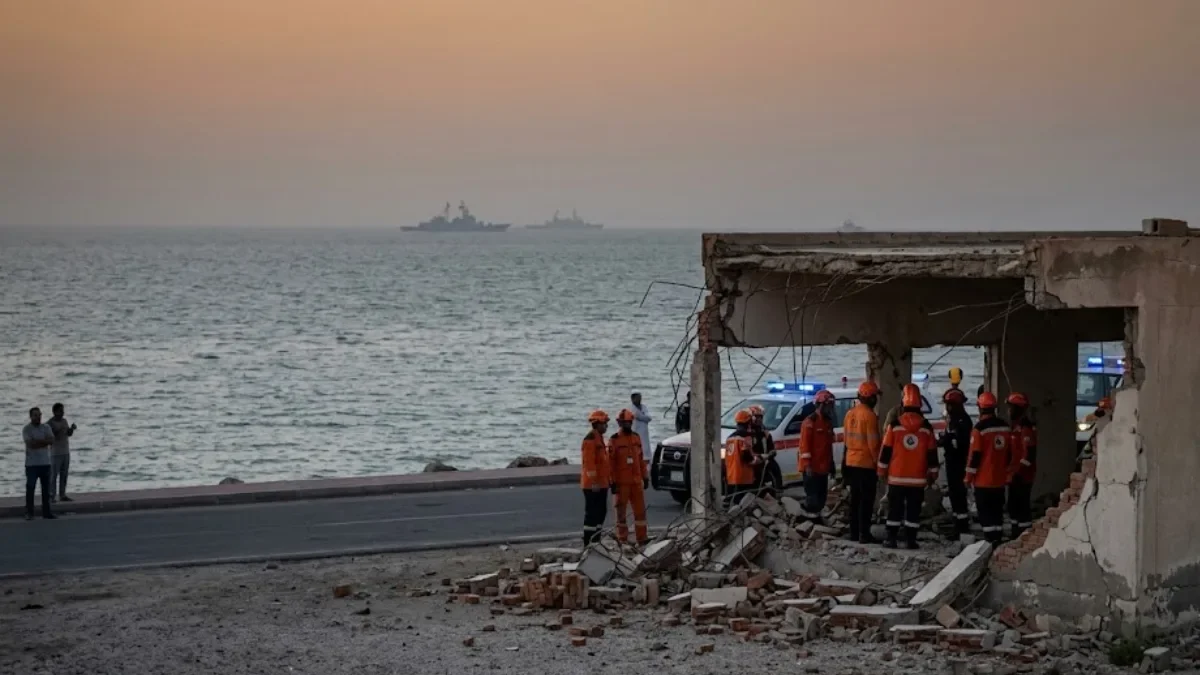
Direct military confrontations between the United States and Iran have re-escalated sharply along Iran's southern coast, breaking a brief lull in hostilities and drawing global attention. Recent strikes hit targets near the strategic Strait of Hormuz—a crucial maritime transit hub for nearly a fifth of the world's petroleum supply.
Iranian authorities reported that military actions targeted multiple sites, resulting in significant casualties among non-combatants, including women and children gathered at a social venue in Hormozgan province. Tehran strongly condemned the strikes, characterizing them as severe violations of human rights and international law. Conversely, U.S. Central Command maintained that its operations strictly targeted Islamic Revolutionary Guard Corps (IRGC) positions to mitigate threats to commercial shipping and counter mine-laying activities in vital waterways.
Why This Escalation Matters Beyond the Region
The situation poses far-reaching risks that extend far beyond regional borders:
Global Shipping and Energy: Interdictions and military exchanges along the Strait of Hormuz disrupt international trade routes, elevating global shipping insurance premiums and driving volatility in crude oil prices.
Humanitarian Concerns: United Nations leadership and international organizations have expressed grave concern over rising civilian impacts, reiterating the mandatory adherence to international humanitarian principles of distinction and precaution.
Wider Regional Stability: Escalatory cycles risk dragging neighboring Gulf nations into the crossfire, impacting regional airspace and defense readiness.
What Could Happen Next?
International diplomats and United Nations officials continue to urge both parties to exercise maximum restraint and reopen channels for diplomatic engagement. However, with retaliatory rhetoric high on both sides, analysts expect security measures along critical trade arteries to remain elevated in the near term, with energy markets closely monitoring further strategic developments.