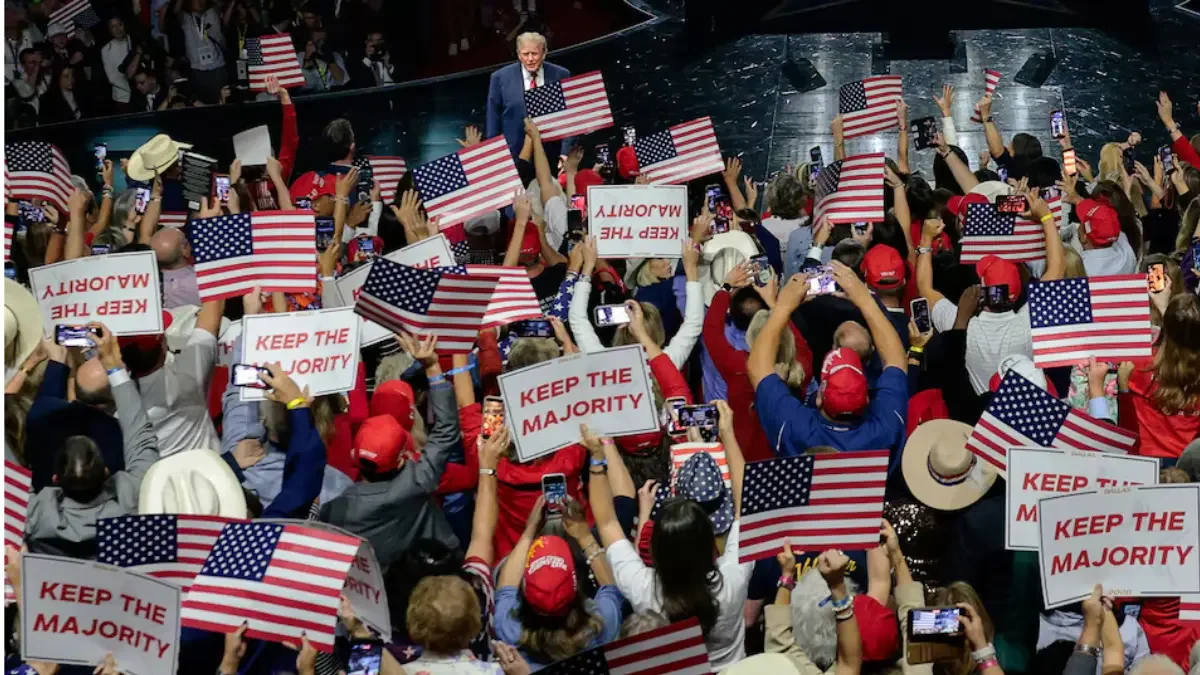
As the United States approaches the November 2026 midterm elections, state and local authorities are stepping up preparations for potential procedural disputes and operational hurdles. While the U.S. Constitution traditionally grants states and local governments the primary authority to administer elections, recent friction between the White House and election administrators has turned routine vote preparations into a high-stakes national discussion.
With early voting schedules fast approaching and millions of ballots set to be mailed or processed, election workers across the country are reinforcing physical and digital security. These proactive steps reflect broader anxieties over administrative alignment, voter roll verifications, and shifting mail-in voting requirements.
Why Federal Pressure and Legal Battles Are Shaping the Race
The tension centers on repeated efforts by President Donald Trump and federal agencies to implement stricter nationwide voting regulations, such as mandatory criteria for mail-in ballot envelopes and aggressive voter roll cleanups. Proponents of these federal measures argue they are necessary to safeguard electoral integrity and prevent voting by noncitizens.
Conversely, state election officials, legal experts, and voting rights groups have warned that abrupt procedural changes introduce severe logistical bottlenecks. Local administrators have argued that implementing uniform barcode systems or last-minute database verifications on the eve of an election risks disenfranchising eligible voters and overwhelming county-level resources. Consequently, a barrage of legal challenges has landed before federal courts, including the U.S. Supreme Court, which recently rejected a bid by the administration to enforce sweeping restrictions on mail ballots.
What This Means for Election Integrity and Voters
For ordinary voters and local governments, the primary challenge this autumn is managing confusion over shifting rules.
What are election offices doing to protect the vote? Local jurisdictions are actively conducting training sessions on subpoena management, enhancing cybersecurity protocols against foreign and domestic threats, and establishing legal defenses to keep voting procedures stable.
How are voters impacted? Despite federal policy debates, core voting mechanisms remain governed largely by state laws. Election experts advise citizens to verify their voter registrations directly through official state portals and follow local guidelines closely.
What Could Happen Next?
As November 3 approaches, the political and legal tug-of-war between federal oversight initiatives and state-managed election systems is expected to intensify. While top military and security officials have stated there are no plans to deploy troops to polling places, local prosecutors and bipartisan election groups remain vigilant against potential disruptions. Ultimately, the resilience of state-level administrative frameworks will determine how smoothly Americans cast their ballots in one of the most closely watched midterm cycles in modern history.
Frequently Asked Questions (FAQ):
1. When are the 2026 U.S. midterm elections scheduled?
The 2026 U.S. midterm elections are scheduled to take place on Tuesday, November 3, 2026.
2. Who controls how elections are run in the United States?
Under the U.S. Constitution, elections are primarily administered and regulated by individual state and local governments rather than the federal government.
3. Why are state officials preparing for potential chaos or legal disputes?
State and local officials are preparing for administrative hurdles due to a flurry of last-minute federal proposals, legal challenges regarding mail-in voting rules, and efforts to alter voter registration requirements close to Election Day.