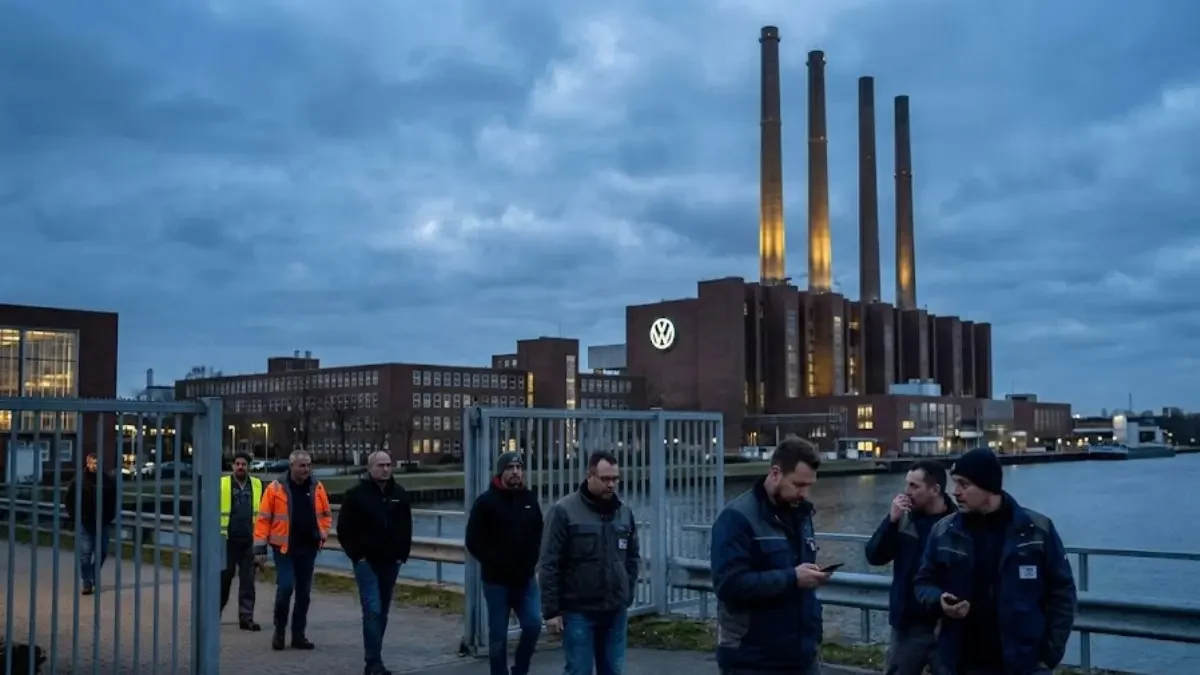
In a high-stakes meeting at Volkswagen’s headquarters in Wolfsburg, CEO Oliver Blume, Supervisory Board Chairman Hans Dieter Pötsch, and Lower Saxony State Premier Olaf Lies gathered to resolve a mounting crisis. Face-to-face with rising global pressures, management and labor representatives thrashed out a historic compromise that avoids immediate confrontation while setting off the largest restructuring program in the group's history.
The management board initially prepared a hardline strategy, threatening an Extraordinary General Meeting (EGM) if the supervisory board opposed its turnaround plan. Known internally as a "nuclear option," this move would have bypassed traditional board channels, diluting the power of unions and local government shareholders. The risk of a multi-year legal battle forced all sides back to the negotiating table.
What Was Agreed in the Historic Deal?
Under the agreed framework, Volkswagen's supervisory board unanimously approved a plan that targets a reduction of approximately 50,000 positions worldwide, adding to earlier efficiency measures.
Key terms of the deal include:
Massive Job Reductions: A workforce adjustment of around 50,000 roles across group functions, management, and production.
No Direct Plant Closures Yet: Promises to avoid immediate factory shutdowns at four vulnerable sites (Emden, Zwickau, Hanover, and Neckarsulm) by exploring alternative industrial uses.
Governance Compromise: Management shelved plans to spin off the VW brand into separate legal entities, preserving worker co-determination rights.
Why Is Volkswagen Cutting So Many Jobs?
Europe’s largest carmaker faces unprecedented economic pressure from multiple fronts. Squeezed by aggressive Chinese electric vehicle (EV) competitors, international trade tariffs, and sluggish European vehicle demand, VW's manufacturing footprint currently operates with excess capacity exceeding 500,000 vehicles annually.
To stay competitive, CEO Oliver Blume aims to lift the company's operating margin from under 4% toward a target of 9% by streamlining models and reducing fixed costs.
What Happens Next for Workers and the Market?
While the initial agreement prevents an immediate governance breakdown, implementation will require extensive site-by-site negotiations. Powerful trade union IG Metall and the works council have promised to protect workers as details are ironed out. However, localized strikes and operational friction remain a possibility as the multi-year downsizing plan begins across German and global facilities.
also read : Red Sea Crisis & Global Trade Impact: Freight Rates and Shipping Delays