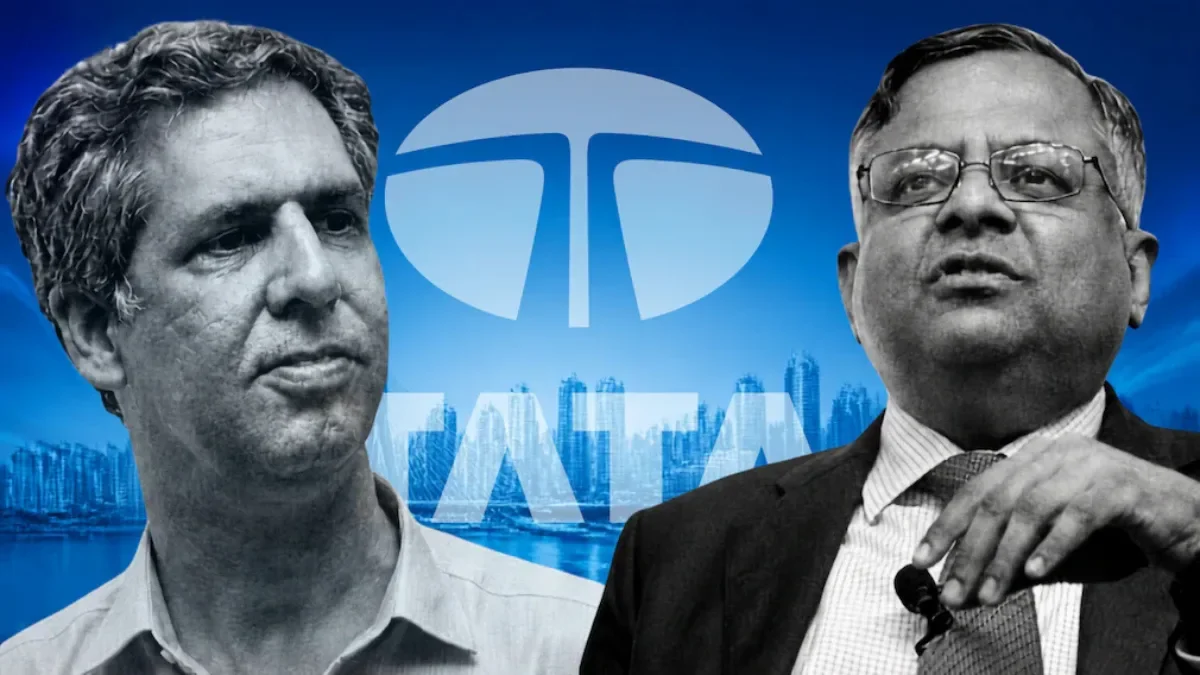
The leadership structure of one of India's most powerful conglomerates has hit a turbulent phase. A major governance confrontation has unfolded at Tata Sons, the holding company of the salt-to-software Tata Group, following a boardroom split over the reappointment of Chairman N Chandrasekaran. While the Tata Sons board moved to approve a fresh five-year term for Chandrasekaran, the majority shareholder Tata Trusts quickly declared the resolution a "legal nullity".
This high-profile dispute goes far beyond a simple chair position, touching upon corporate control, strategic directions like upcoming public listings, and the fundamental balance of power between professional management and philanthropic trusts.
What Triggered the Tata Sons Leadership Standoff?
The tension surfaced after months of internal friction. In August, N Chandrasekaran had communicated his decision not to seek another term when his current tenure concludes on February 20, 2027. However, following a recommendation by the board's Nomination and Remuneration Committee to reconsider, the Tata Sons board voted to approve his extension.
The pushback was immediate. Noel Tata, chairman of Tata Trusts and a nominee director on the Tata Sons board, voted against the resolution. Consequently, Tata Trusts maintained that Chandrasekaran's prior exit decision had already attained finality and that the latest board approval breached the company's Articles of Association, which require specific consensus and majority support from trust nominee directors.
Why Does This Governance Row Matter?
The clash carries massive implications for the financial markets and the strategic future of the group. For nearly a decade, Chandrasekaran has steered the conglomerate through massive expansions into high-tech sectors like semiconductors, electric vehicles, and aviation, alongside managing traditional crown jewels like TCS.
Furthermore, the dispute coincides with regulatory pressures from the Reserve Bank of India (RBI) requiring upper-layer non-banking financial companies like Tata Sons to move toward a public stock listing. The debate questions whether the group should continue aggressive diversification or shift focus strictly toward profitability, consolidation, and financial discipline.
What Happens Next?
With the majority shareholder challenging the legal validity of the board's resolution using formal legal opinions, the standoff has created profound uncertainty for employees, lenders, and investors across numerous listed Tata group entities. As both sides interpret the company's foundational rules differently, the resolution of this conflict will set a definitive precedent for how leadership succession and executive authority are managed at the apex of India's largest corporate empire.
also read : BRICS Summit 2026: Yogi & Fadnavis Join Modi to Host Global Leaders